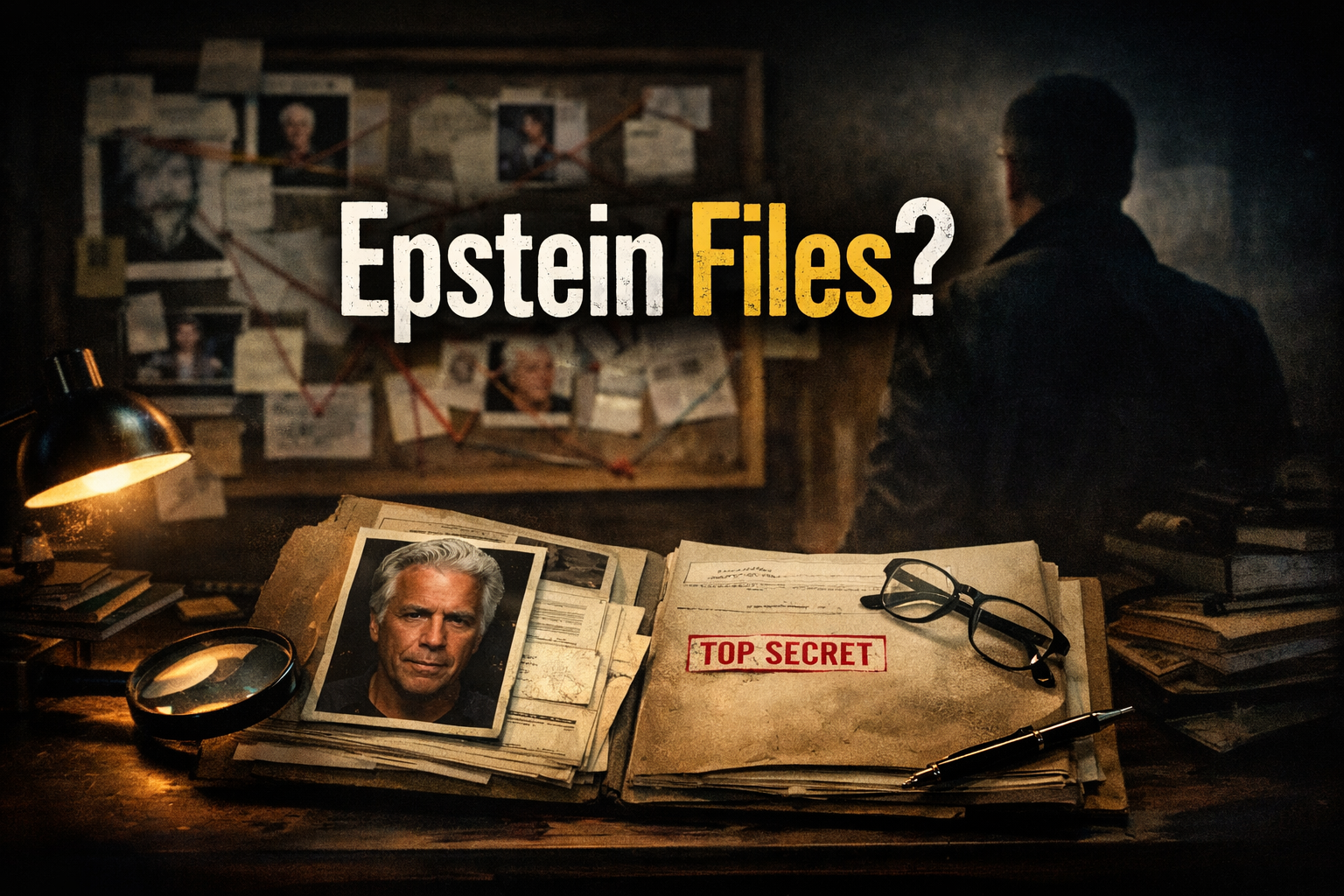
The Epstein Files: Power, Abuse, and the System That Failed
The Epstein files are not merely court documents or sealed transcripts. They represent a chilling record of how wealth, influence, and institutional silence can shield long-term abuse. What began as isolated complaints eventually exposed an international sex-trafficking operation operating in plain sight for decades—protected not by secrecy alone, but by power.
Who Was Jeffrey Epstein?
Jeffrey Epstein presented himself as a financier to the ultra-wealthy, cultivating an image of exclusivity and mystery. Despite lacking transparent financial records, he maintained access to politicians, royalty, academics, and business leaders across the world.
Behind this carefully constructed persona was a sustained pattern of abuse. Beginning in the 1990s and continuing for years, Epstein recruited underage girls—often from vulnerable backgrounds—under the guise of “massage work,” only to subject them to sexual exploitation.
The 2008 Plea Deal: A Turning Point That Wasn’t
In 2008, Epstein entered into a controversial non-prosecution agreement in Florida. Despite evidence involving dozens of underage victims, the deal allowed him to avoid federal charges and serve limited time in a county jail with work-release privileges.
This agreement became one of the most criticized plea deals in modern legal history. Federal prosecutors later acknowledged that victims were not properly informed, a violation of their rights.
The consequences were severe: Epstein resumed his lifestyle, traveled internationally, and continued to associate with influential figures—while survivors were left without justice.
The Role of Ghislaine Maxwell
Ghislaine Maxwell was not a peripheral figure. Court testimony and survivor statements consistently described her as an active participant—recruiting, grooming, and managing victims for Epstein.
In 2021, Maxwell was convicted on multiple counts related to sex trafficking of minors. Her conviction confirmed what survivors had stated for years: Epstein did not operate alone.
The Epstein Files: What Do They Contain?
The term “Epstein files” refers to thousands of pages of material, including:
- Victim depositions and sworn testimonies
- Flight logs from private aircraft
- Contact directories and address books
- Financial records and property documents
- Previously sealed civil court filings
Many of these documents were unsealed following prolonged legal battles, not because authorities sought transparency, but because survivors demanded it.
Flight Logs and Private Islands
Epstein owned multiple aircraft and maintained a private island in the Caribbean. Flight logs confirmed frequent travel between the United States, the Caribbean, and Europe.
While the presence of a name in flight records does not itself prove criminal activity, these logs became critical evidence in corroborating survivor timelines and movements.
Several witnesses independently described abuse occurring at Epstein’s island, reinforcing patterns identified in other locations, including New York, Florida, and New Mexico.
Named Individuals: Allegations vs. Proof
One of the most misunderstood aspects of the Epstein files is the appearance of well-known names. It is essential to distinguish between:
- Convicted individuals: Epstein and Maxwell
- Accused in civil testimony: Named by victims under oath
- Referenced individuals: Appearing in contacts or travel logs
Many individuals named in documents have denied wrongdoing and have not been charged. The files reveal networks of proximity—not automatic guilt.
Institutional Failures and Missed Warnings
Perhaps the most disturbing element of the Epstein case is how many institutions failed simultaneously. Reports were ignored. Complaints were minimized. Warnings were dismissed.
Law enforcement agencies, prosecutors, and regulatory bodies possessed fragments of the truth for years. What they lacked was the willingness to confront someone protected by wealth and influence.
Epstein’s Death and Unanswered Questions
In August 2019, Epstein was found dead in a federal detention center while awaiting trial. His death was officially ruled a suicide, yet serious procedural failures were documented:
- Malfunctioning cameras
- Guards failing to perform required checks
- Prior removal from suicide watch
Regardless of cause, Epstein’s death ensured that many questions would never be answered in court.
The Survivors
Lost amid headlines and speculation are the survivors—many of whom spent years being disbelieved, shamed, or silenced. Their testimonies form the backbone of every verified fact in the Epstein files.
For them, the case was never about names or politics. It was about acknowledgment, accountability, and ensuring that power does not grant immunity from harm.
Why the Epstein Files Still Matter
The Epstein case is not an anomaly. It is a case study in how abuse persists when systems prioritize reputation over protection.
The files remain relevant because they expose a truth larger than one man: exploitation thrives where oversight fails and silence is rewarded.